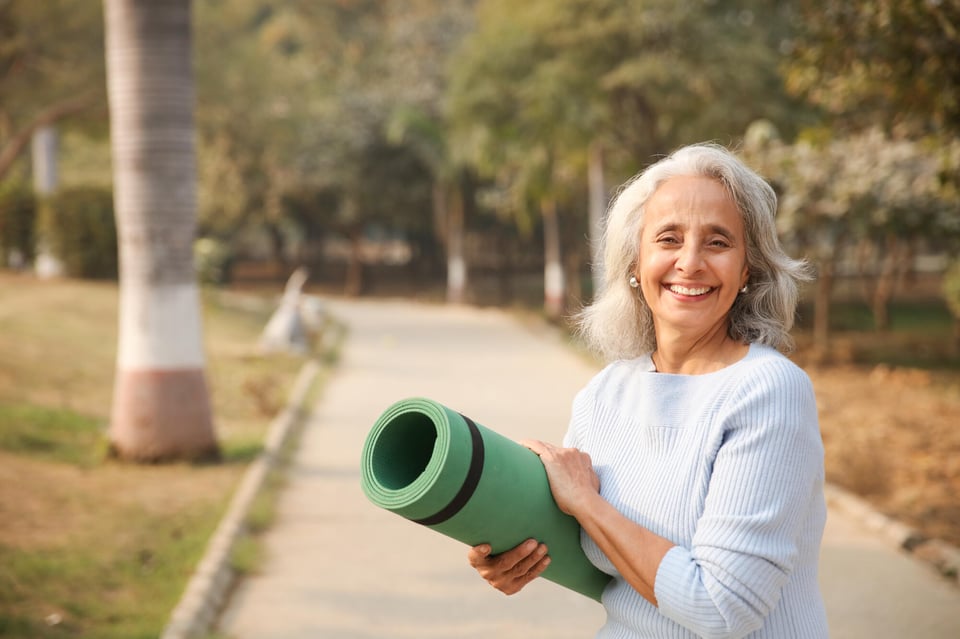
What if something as simple as daily movement could prevent one of the biggest risks older adults face? According to the CDC, one in four adults over age 65 experiences a fall each year, often due to decreased strength and mobility. This is why staying active when elderly matters. Gentle routines like stretching, walking, and light exercise strengthen balance and help reduce preventable injuries. The goal is not high-intensity workouts, but steady movement that keeps the body flexible.
In Aurora, CO, residents have ample opportunity to stay active. The city's mild climate, scenic walking paths, and senior movement programs make activity enjoyable and approachable. Movement becomes a way to stay independent and socially connected.
The Power of Movement in Later Life
Physical activity improves flexibility, heart health, and circulation. But beyond the physical benefits, movement also improves focus and emotional balance. Staying active when elderly helps to lessen feelings of isolation while supporting memory and stability. Even a short daily routine can change how the body and mind function throughout the day.
Common movement options include:
- Morning walks around the neighborhood
- Chair-based stretching and yoga
- Group balance or tai chi classes
In Aurora, many seniors enjoy outdoor walks or join indoor classes at senior centers. Simple actions like these build confidence and preserve mobility.
How Far Should an 80-Year-Old Walk Every Day
Walking is one of the safest and most effective ways to maintain fitness. For older adults, 20 to 30 minutes a day, or about one to one-and-a-half miles, helps maintain stamina without overexertion. The pace and duration depend on individual comfort and energy.
Walking supports:
- Cardiovascular strength and endurance
- Improved joint mobility
- Better sleep quality
- Balanced coordination
Recognizing Decline Before It Limits Independence
Physical and cognitive changes often appear gradually. Early recognition of these signs allows families to provide help before challenges escalate. Indicators may include slower movement, changes in posture, or decreased enthusiasm for once-enjoyed activities.
Warning signs may include:
- Difficulty getting in or out of chairs
- Frequent fatigue
- Missed meals or appointments
- Withdrawal from exercise or hobbies
Wellness for Seniors Through Consistent Routine
A steady routine can transform wellness for seniors. Movement performed at regular times each day creates structure and predictability. Active aging doesn't require high intensity; it requires steady engagement.
An ideal routine might include morning stretching, a midday walk, and light resistance training a few times per week. Aurora's senior programs help residents stay motivated through group sessions, friendly accountability, and professional guidance.
Safe and Supportive Senior Movement Programs
Senior movement programs cater to diverse abilities and fitness levels. They are designed to be safe and adaptable for anyone seeking improved balance or strength.
Popular programs include:
- Water aerobics to ease joint pressure
- Balance training and light weights
- Tai chi for mindfulness and coordination
- Seated exercise for flexibility
The Emotional Rewards of Staying Active
Physical health and emotional health are closely linked. Activity releases natural endorphins, decreasing stress and enhancing overall mood. Many seniors notice that regular movement brings calmness and clarity. It also builds connections through shared experiences.
Simple moments add lighthearted energy to the day. Staying active when elderly creates a rhythm that keeps body and spirit engaged.
How Can You Tell When an Elderly Person Is Declining
Decline doesn't always begin with physical change. Emotional or behavioral shifts, such as loss of motivation or frustration with daily tasks, often appear first. A person might seem more tired or forgetful, or stop participating in community events they once enjoyed.
These changes signal that mobility support or additional wellness resources may be helpful. Assisted living services can bridge the gap by offering guided exercise, balanced meals, and opportunities for daily movement in a safe setting.
Why Is Staying Active Important for Seniors
Activity influences nearly every aspect of aging. Staying active strengthens muscles, supports circulation, and maintains joint flexibility. It also enhances cognitive function and mood.
Staying active promotes:
- Independence and self-confidence
- Better reaction times to prevent falls
- Improved digestion and heart health
- Emotional stability through structure
Frequently Asked Questions
How Can Seniors Stay Motivated to Exercise?
Motivation grows through consistency and companionship. Joining a group class, setting small goals, and tracking progress can make activity feel rewarding. Having a partner to walk or stretch with also helps maintain momentum over time.
What Are Simple Ways to Increase Daily Movement?
Incorporate motion into normal routines. Take short walks after meals, use stairs when possible, or perform seated leg lifts during TV time. These manageable actions build strength and flexibility without requiring long workouts.
What Should Seniors Eat to Support Mobility and Strength?
A diet rich in protein, calcium, and vitamins supports muscle and bone health. Nutrient-dense foods such as leafy greens, lean meats, and whole grains enhance energy for exercise and recovery. Hydration is equally essential.
Are There Safe Indoor Exercise Options?
Yes. Indoor walking tracks, stretching routines, or resistance band exercises offer safety and comfort year-round. Aurora fitness for older adults often includes indoor group classes, helping residents stay active despite weather conditions.
Can Technology Help Track Activity Progress?
Absolutely. Many seniors use fitness trackers or smartphone apps to count steps, monitor heart rate, or remind them to stand up and move. These small tools encourage accountability and add enjoyment to daily routines.
How Does Movement Benefit Mental Health?
Regular activity improves focus and reduces stress hormones. It also increases serotonin levels, which support emotional balance. Movement often leads to better sleep, concentration, and an overall improved outlook on life.
What If an Older Adult Has Limited Mobility?
Movement can still be achieved. Seated exercises, stretching, or gentle range-of-motion activities are excellent for those with mobility challenges. Specialized programs in assisted living settings provide guided movement options tailored to every ability.
Staying Active When Elderly Begins With Small Steps
Staying active when elderly leads to better health, stronger balance, and a brighter outlook on life. In Aurora, opportunities for exercise and social connection are easy to find, making each day an opportunity for growth.
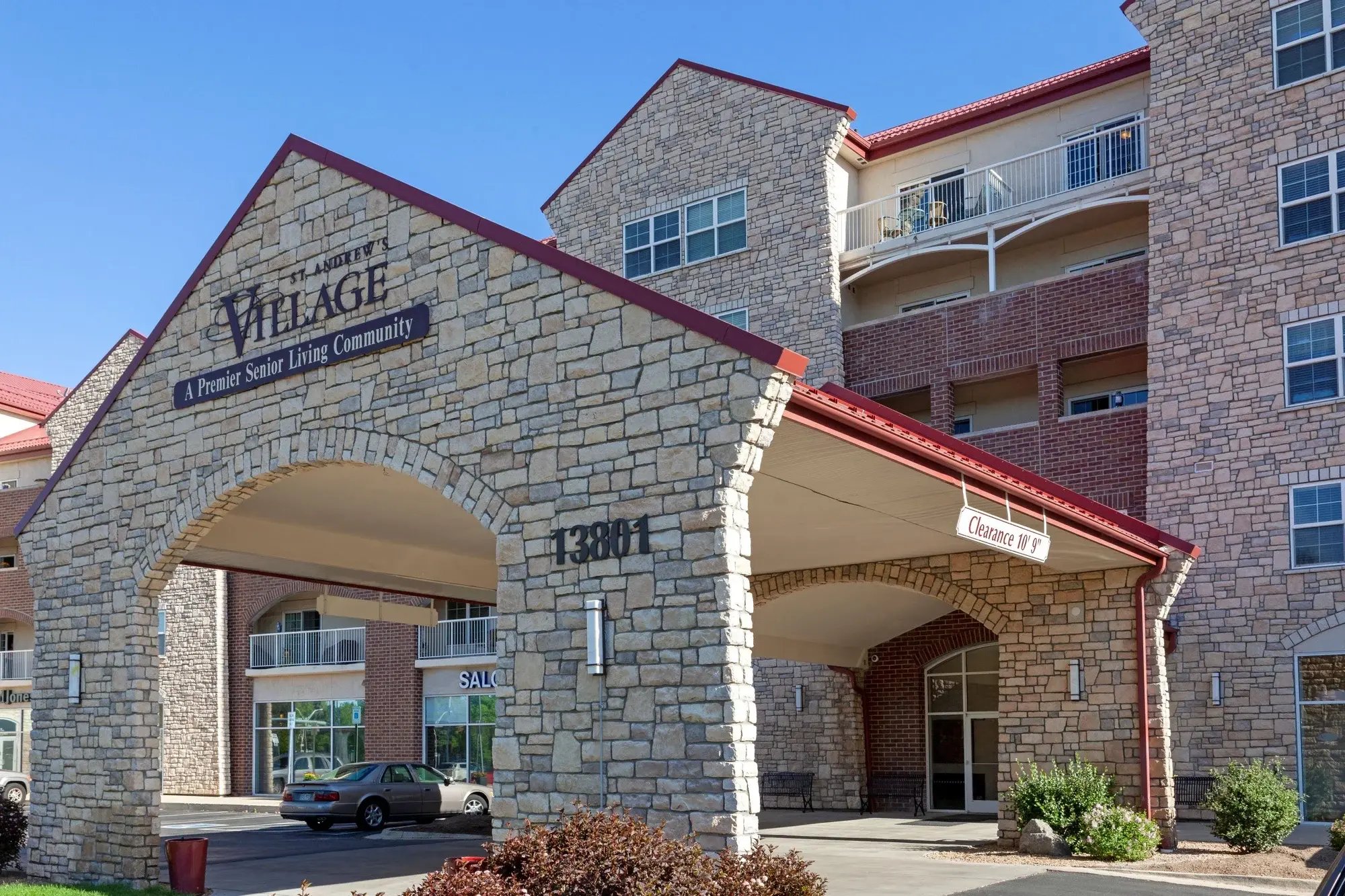
Residents at St. Andrew's Village enjoy delicious, restaurant-style dining and access to supportive independent and assisted living services. From housekeeping to beauty services, curated convenience is always within reach. To get more info, call 303.695.8100, or send us an online message. We'll talk to you soon.